Two ways to deepen your anatomical knowledge — and transform the way you teach.
Know the Body You're Teaching
Every skilled Pilates instructor knows that anatomy isn't just background knowledge — it's the foundation of everything you do in the studio. Understanding how muscles, bones, and connective tissue work together allows you to see what's happening in your client's body, communicate it clearly, and design sequences that truly address their needs.
Fusion offers two anatomy programs for movement professionals: the hands-on, experiential Anatomy in Clay™ workshop, and a functional anatomy course designed specifically for fitness and Pilates instructors.
Workshop
"The Mind Cannot Forget What the Hands Have Learned" — Jon Zahourek
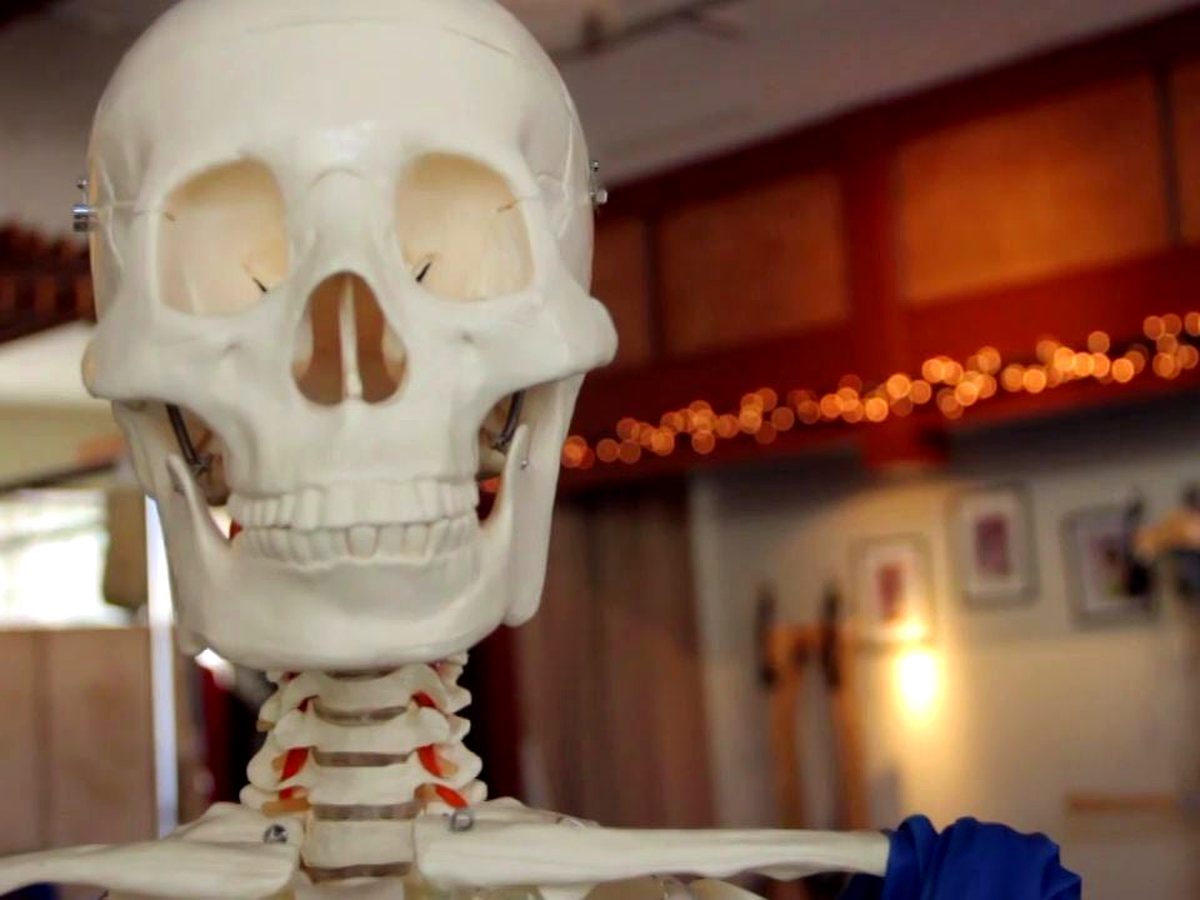
The Anatomy in Clay® (AIC) system was developed by Jon Zahourek in 1989 with the goal of making anatomy experiential, tactile, and unforgettable. Using a specially made Maniken® skeleton model, students build musculature directly in clay — learning from the inside out as they construct the body with their own hands.
This course covers the Core Structure and moves beyond into the key Global Mobilizers. Movement and release sequences follow every build — so you leave with both a three-dimensional understanding of anatomy and practical tools to bring straight back to your clients. No experience in clay or sculpture is necessary.
Course Covers
Who Should Attend
This course qualifies for 18 PMA continuing education credits — recognized by the Pilates Method Alliance for instructor recertification.
Register Now
Course
Functional anatomy applied directly to the work you do in the studio
This anatomy course is designed specifically for movement and fitness professionals — covering the anatomical knowledge you need to teach Pilates, personal training, or group fitness at a higher level. Rather than a survey of the whole body, it focuses on the structures and systems most relevant to the work you do every day: core, spine, pelvis, and extremities.
Understanding anatomy deeply changes the way you observe clients, cue exercises, and design sequences. It also gives you the vocabulary and knowledge to collaborate confidently with physical therapists, physicians, and other healthcare providers.
Topics Covered
Prerequisites
Register Now
Good to Know